
News

Patient Experience Survey
Results from our Patient Experience Survey

Mt Eden Village Doctors Newsletter
Flu Vaccination 2026
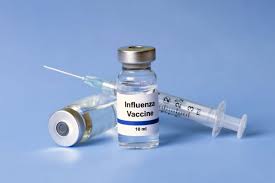
The flu vaccination will be available from the 1st of April 2026.
Annual influenza vaccination is recommended for everyone 6 months of age and older, to provide direct protection against severe illness and to reduce the spread of the virus. Immunisation is the best way to protect yourself and your community from infection and serious illness.
Some people are at increased risk of complications if they develop the flu, and influenza vaccination is funded for these people. The eligibility criteria for a funded vaccine include:
· Pregnant people
· People aged 65 years and over
· Children 4 years of age and under who have been hospitalised for respiratory illness or have a history of significant respiratory illness
· People aged 6 months to under 65 years with serious mental health and addiction conditions*
· People aged 6 months to under 65 years with eligible conditions*
*For full eligibility information, follow this link.
For detailed information about the flu vaccination the following resources are available.
- Healthify - Flu Vaccination 2026
- Health New Zealand resource hub
- Immunisation Advisory Committee website.
Frequently Asked Questions:
Who can have the flu vaccine?
The flu vaccination can be given to individuals over 6 months of age. Children under 4 years of age who are receiving the flu vaccination for the first time will need two doses, given 4 weeks apart. Thereafter, and for all others, a single flu vaccination each year is recommended.
Can I have the flu vaccination if I am pregnant?
Yes - the flu vaccination is recommended for pregnant women at any stage of their pregnancy. Influenza vaccination provides direct protection from the complications of influenza both during pregnancy and following birth and will also result in some protection to the newborn in the first few months of life, through transfer of immunity via the placenta and breast milk.
Do I need to get the vaccination every year?
Yes - annual influenza vaccination is recommended because protection from previous vaccination lessens over time, and because the circulating influenza viruses can change from year to year. The vaccine content is generally altered each year to reflect this change. The 2026 flu vaccine is different to the flu vaccine given in 2025.
Can I have the flu vaccine if I am allergic to eggs?
Yes. The flu vaccine can be administered to people with a history of egg allergy including egg anaphylaxis. While the flu vaccine contains a tiny amount of egg (ovalbumin), studies show this amount is less than the amount required to trigger allergy or anaphylaxis in sensitised individuals.
Can I have the flu vaccine if I am allergic to latex?
INFLUVAC TETRA does not contain any latex but the manufacturer cannot exclude possible inadvertent contaminatino during the manufacturing and packaging process. FLUCELVAX cannot be considered latex-free as the sheath covering the needle may contain latex. Patients with anaphylaxis (not sensitivity) to latex should not receive INFLUVAC TETRA or FLUCELVAX. The alternative vaccinations, FLUAD and FLUZONE are latex-free.
What is in the flu vaccine?
Flu vaccine contains small harmless parts (subunits) of inactivated flu viruses. The flu vaccine cannot give you the flu.
What type of flu vaccines are available in 2026?
The current influenza vaccines have been updated to reflect the viruses expected to circulate in the upcoming flu season, and have been approved by the World Health Organisation for Winter 2026. Vaccination is estimated to reduce flu-related hospitalisations by 70%, flu related GP consultations by 73%, and community acute respiratory infections by 57%.
There are three types of flu vaccine available at Mt Eden Village Doctors this year:
- Funded Flu vaccine INFLUVAC TETRA (FREE for patients who meet eligibility criteria, otherwise $35). This is suitable for patients 6 months of age and over.
- Unfunded Flu vaccine FLUCELVAX ($45). This is suitable for patients 6 months of age and over. Observational studies suggest modest gains (compared with INFLUVAC TETRA) in patients 6 months to 64 years, but no significant advantage in those over 65 years of age.
- Unfunded Flu vaccine FLUAD ($45). This vaccination is suitable for patients 50 years and older and contains an adjuvant to produce a potentially stronger immune response. While there are no head-to-head randomised controlled studies comparing FLUAD with non-adjuvanted standard vaccines (such as INFLUVAX TETRA), it is expected to provide better outcomes in those who are older, frail patients, and those with multiple health issues.
Detailed information about the relative efficacy of the adjuvanted versus non-adjuvanted vaccinations can be found on the Immunisation Advisory Centre website.
Can I have the flu vaccine alongside other vaccines?
Yes - the influenza vaccine can be given at the same time as the Shingrix or COVID-19 vaccines.
How long do I have to wait after having the flu vaccine?
Most patients will need to remain at the clinic for 15 minutes after their flu vaccination. The post vaccination observation period may be reduced to 5 minutes in patients who meet all of the following criteria:
- No history of severe allergic reaction
- No evidence of any adverse reaction at 5 minutes post vaccination
- Know when and how to seek post-vaccination advice
- Will have an adolescent or adult with them for the first 15 minutes post vaccination
- Will not drive, skate, scoot or bike for 15 minutes post vaccination
- Has the ability to contact emergency services if required

Extended Prescriptions for Eligible Patients
This change aims to make it easier for people with long-term, stable conditions to access their regular medicines without needing frequent GP visits.

Measles in Auckland
Measles is currently circulating in New Zealand. Two measles vaccinations provides around 99% protection. The vaccine is free for under-18s and all adults in the Northern region (including those non-residents, not normally eligible for funded healthcare). Please check with us if you are unsure if you are immune. See below for a simplified summary of the current guidance regarding Measles vaccination.
If you have a fever and a rash, or have been a potential measles contact, please call us before entering the practice.
Useful resources include:
Health New Zealand Measles Information
Locations of Interest and Advice for Contacts
Current Guidance regarding Measles Vaccination:
Children:
- 6–11 months:
- - MMR dose zero only if traveling to a high-risk country with GP prescription.
- - Not applicable for current Auckland cases (until official Public Health announcement).
- - Follow-up MMR still needed at 12 and 15 months with dose zero.
- 11 months old ONLY:
- - Can receive 1st MMR dose early (normally at 12 months) with GP prescription.
- - Must return at 12 months for the rest of the scheduled vaccines.
- 15 months:
- - 2nd dose of MMR as part of 15 months immunisations cannot be given early unless there’s an official outbreak declaration.
- Over 15 months to 18 years:
- - Can receive 2 free MMR doses, regardless of eligibility for funded NZ healthcare, if not previously vaccinated.
Adults:
- Over 18:
- -2 funded MMR doses, 4 weeks apart, only for all in the Northern region (including those not normally eligible for funded NZ healthcare).
- Born 1989–2004:
- -Many were not vaccinated — check your vaccination records please. We often don't have records electronically, best to go back to your childhood records.
- Born before 1969:
- - Usually exempt from vaccination, unless GP recommends it for travel.
- Uncertain vaccination history?
- -You can:
- 1.Get 2 MMR doses (safe even if you were previously vaccinated)
- OR
- 2. Do a measles antibody test through Awanui Labs ($61.50). You can directly request them through Awanui website.
Please email nurse@mtedenvillagedoctors.co.nz if you require further clarification.
